

The Economics of Roof System Upgrades for Singapore Building Efficiency
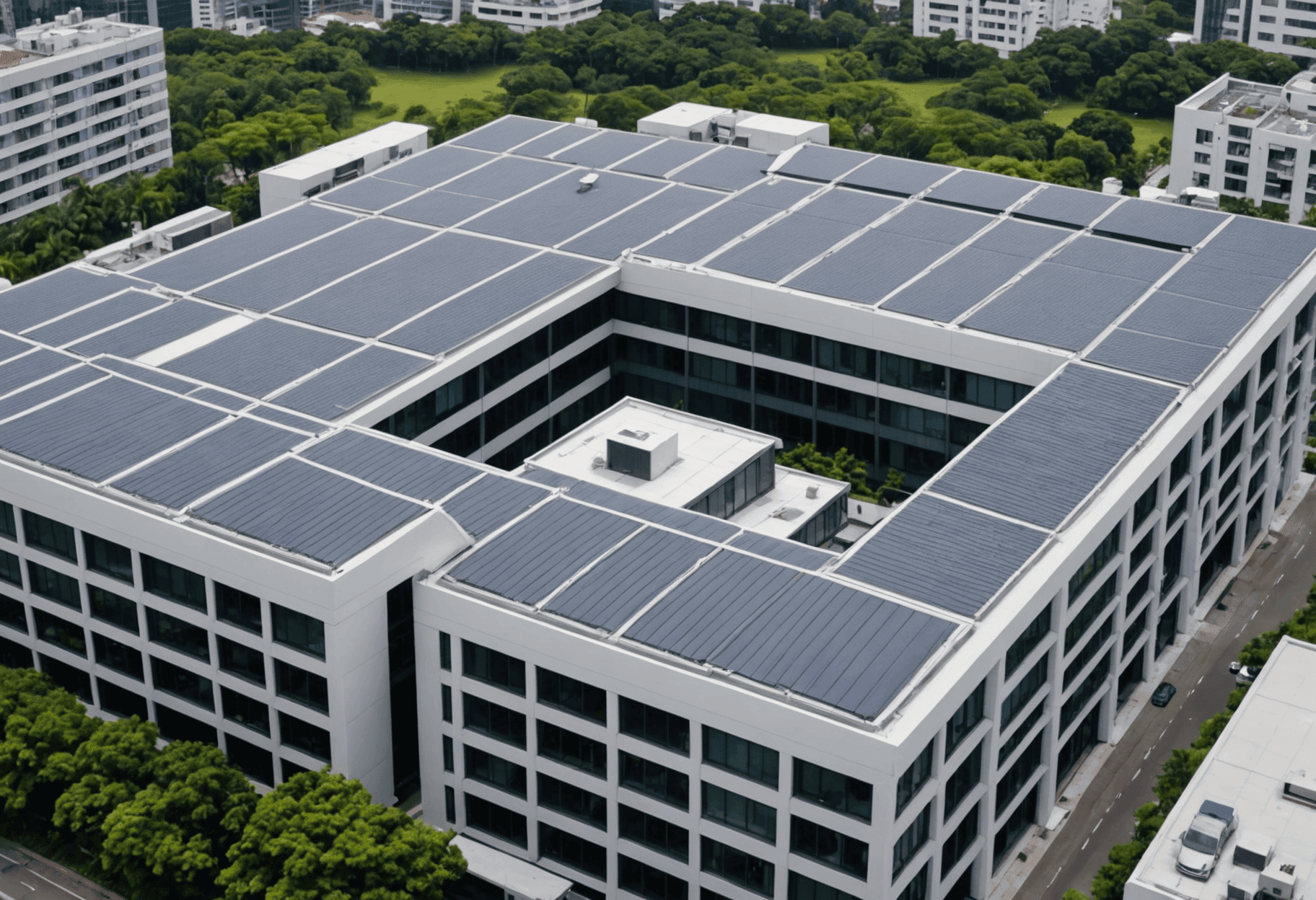
Investing in a better roof system doesn’t just improve a building’s durability; it can also lead to long-term savings in energy bills, lower maintenance costs, and increased property value. However, the initial expenditure and the potential return on investment vary depending on the type of upgrades, materials used, and the economic context. To make informed choices, it is vital to explore the financial aspects that underpin roof system upgrades in Singapore’s unique environment.
Understanding the Economic Benefits of Roof System Upgrades
Lower Energy Consumption and Utility Costs
One of the primary economic drivers for upgrading roof systems is the reduction in energy expenses. An effective roof acts as a thermal barrier, reflecting heat and minimizing heat transfer into the building. Insulated roofing materials and reflective coatings can substantially decrease indoor cooling demands, which are a major contributor to energy consumption in Singapore’s hot climate.
For example, implementing cool roofing systems has been shown to reduce cooling costs by up to 20-30%. Over the lifespan of a building, these savings can amount to thousands of Singapore dollars, providing a clear economic incentive for upgrades.
Extended Roof Lifespan and Reduced Maintenance Costs
High-quality roof systems, especially those with waterproofing and corrosion-resistant features, tend to last longer and require fewer repairs. This translates into lower replacement and maintenance expenses. Singapore’s humid environment accelerates roofing material degradation, making durability a critical factor in economic calculations.
By investing in durable materials like thermoplastic polyolefin (TPO) or polyvinyl chloride (PVC), building owners can reduce the frequency of waterproofing repairs and emergency fixes. Furthermore, preventative maintenance, such as timely waterproofing assessments, can prevent costly water damage, which often impacts below-roof structures and interiors.
Cost Analysis of Different Roof System Upgrades
Common Roofing Materials and Their Costs
- Built-up roofing (BUR): Generally more affordable upfront but may require frequent repairs in humid climates.
- Reflective coatings and membranes: Moderate initial cost with significant long-term savings through lower cooling bills.
- Insulation enhancements: Slightly higher investment but yields larger energy savings.
- Green roofs and roof gardens: Higher initial costs but offer environmental benefits and potential incentives.
Evaluating these options involves weighing initial expenditure against long-term benefits. For example, upgrading to reflective and insulated roofs can cost between SGD 20 to SGD 50 per square meter but may result in savings of over SGD 10,000 annually in cooling costs for a typical commercial building.
Financial Incentives and Government Support in Singapore
Grants and Subsidies for Building Upgrades
The Singapore government encourages energy efficiency improvements through various schemes, which can offset part of the upgrade costs. Programs like the Green Mark Incentive Scheme provide financial support for projects that improve environmental performance, including roofing enhancements.
Understanding these options can significantly improve return on investment. Additionally, there are tax benefits and rebates available for incorporating sustainable materials and technologies into building design.
The Cost of Not Upgrading Roof Systems
Long-Term Risks and Expenses
Neglecting roof upgrades can lead to severe consequences. Water leaks, mold growth, structural deterioration, and increased cooling costs are common issues resulting from outdated or poorly maintained roofs. The costs associated with emergency repairs and water damage are often much higher than proactive upgrades.
Moreover, non-compliance with modern building standards may impact a building’s marketability and value. Over time, these factors add up, reaffirming the economic wisdom of investing early in quality roof systems.
Practical Tips for Cost-Effective Roof System Upgrades
- Conduct a thorough roof assessment: Identify areas needing repair or upgrade, focusing on waterproofing and insulation.
- Compare materials and contractors: Obtain multiple quotes and consider suppliers with proven experience in Singapore’s climate.
- Leverage government schemes: Take advantage of available grants and incentives to offset costs.
- Plan for future maintenance: Select durable, low-maintenance materials to reduce ongoing expenses.
- Incorporate energy-efficient features: Opt for reflective coatings and insulation improvements that provide long-term savings.
For a clearer understanding of upcoming expenses, particularly for waterproofing work, you can explore Waterproofing cost estimates in Singapore. This resource helps property owners budget accurately and make confident decisions about their roofing investments.
Conclusion: Making the Smart Choice for Your Building
Investing in new roofing systems or upgrading existing ones is a strategic decision with substantial financial implications. By focusing on materials that promote energy efficiency, durability, and ease of maintenance, building owners in Singapore can realize significant savings over time. While the upfront costs may seem considerable, incentives and long-term benefits often outweigh initial investments.
Understanding the economics behind roof system upgrades enables property owners to prioritize initiatives that enhance both performance and value. Regular assessments and staying informed about available support schemes can further improve the return on investment. Ultimately, a well-chosen roof upgrade not only improves building resilience but also contributes to operational savings and sustainability goals.
Don’t wait until small issues become costly repairs. Evaluate your roof’s condition today, explore upgrade options, and consider the economic advantages. Taking proactive steps now can lead to a more energy-efficient, durable, and valuable property for years to come.