

Equip Seniors for Secure Independent Living
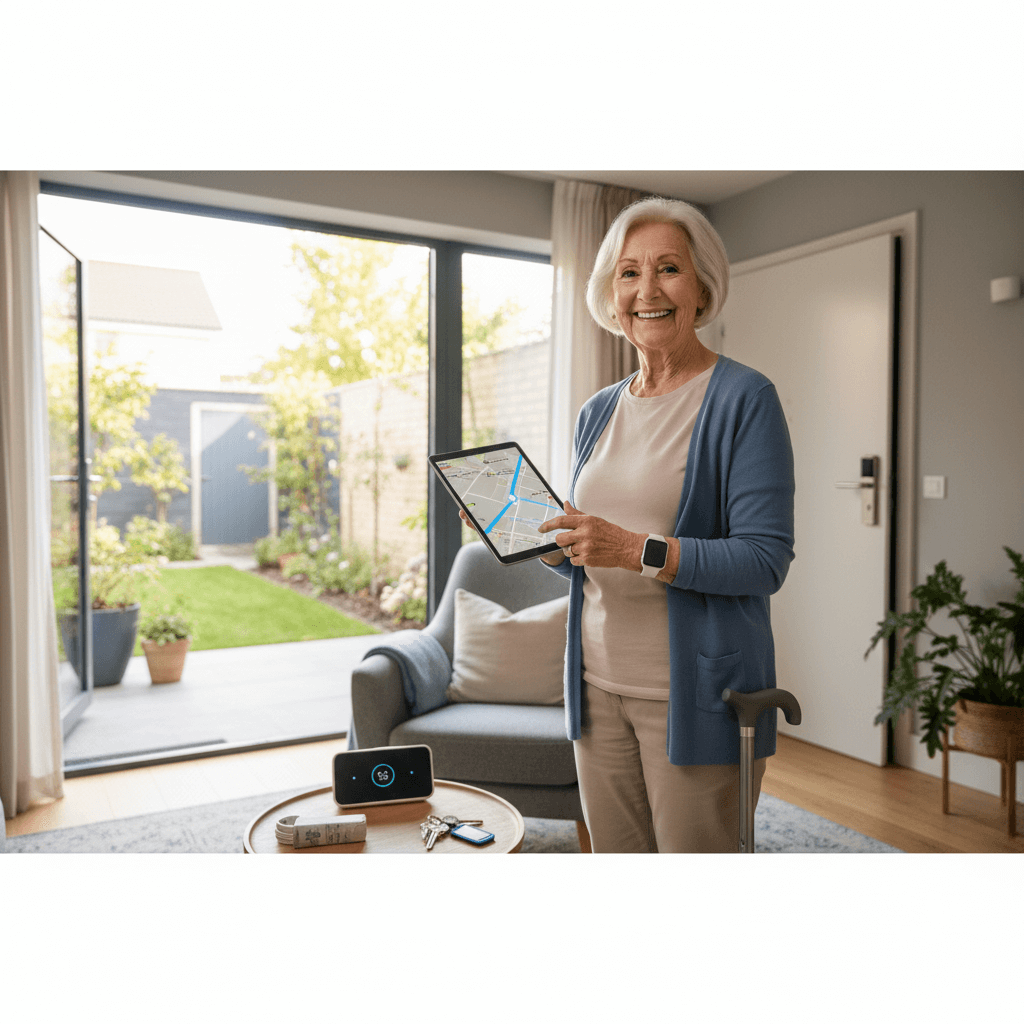
Preparing older adults to live safely and with control over their daily life is a goal many families share. When you Equip Seniors for Secure Independent Living you focus on practical moves that lower risks and raise confidence. This piece breaks down specific actions that family members, caregivers, and older adults can take to keep life comfortable and safe at home.
The suggestions below combine household fixes, technology choices, health habits, and social supports. Each section is written so you can pick one change to make this week and build from there. The aim is steady progress toward a home that matches changing needs without giving up independence or dignity.
Why taking steps to Equip Seniors for Secure Independent Living matters
Many people imagine loss of independence as sudden. The reality is that small changes add up. Mobility shifts, sight and hearing declines, and medication complexity all raise the chance of falls and missed treatments. Falls are the leading cause of injury for adults aged 65 and older and are linked to a high number of hospital stays. Acting now prevents crises and keeps daily routines intact.
When a home is safe and routines are reliable an older person stays healthier and more socially active. That lowers caregiving stress for family members. Thinking ahead also keeps options open when mobility or memory changes require new supports or housing choices.
Simple home modifications that reduce risks
Not every change requires a contractor. Small, targeted adjustments often deliver the biggest returns in safety.
- Clear walking paths Remove loose rugs or tuck them with non slip backing. Keep furniture arrangement consistent so habitual routes are obvious.
- Lighting upgrades Increase illumination in hallways and stairways. Use higher lumen bulbs with warm tones to cut glare. Night lights in bathrooms and bedrooms reduce trips after dark.
- Grab bars and handrails Install secure grab bars in bathrooms near showers and toilets and make sure stair railings are continuous and easy to grip.
- Non slip surfaces Place non slip mats inside and outside showers. Use bath benches when standing is tiring or risky.
- Furniture adjustments Raise chair and bed heights with stable risers if standing from low seats is difficult. Choose chairs with arms to make sitting and standing easier.
Tools and technology that help maintain independence
Technology has many options that support safety without taking away control. Pick devices that match a person’s comfort with technology and test them before relying on them in an emergency.
Communication and alert devices
Mobile phones with large buttons or simple smartphones with emergency contact features work well. Wearable alert buttons that contact a call center can be valuable for people who are at risk of falling and are often home alone. Look for services with good response records and transparent pricing.
Home monitoring that respects privacy
Motion sensors and door sensors alert a family member when movement patterns change without filming private spaces. Simple medication reminder systems that beep or send a text can cut down on missed doses. When selecting a product try a short trial and involve the older person so the device feels like a helpful tool not a surveillance system.
Medication and health management strategies
Medication errors are common and can cause confusion or dangerous interactions. An organized plan lowers the chance of mistakes and makes health care visits more productive.
- Consolidate medications Use a weekly pill organizer or pharmacy blister packs that separate doses by day and time. This reduces double dosing and missed medicines.
- Regular medication reviews Schedule periodic reviews with a pharmacist or doctor to remove unnecessary medicines and check for interactions. Bring a current list to every appointment.
- Simple symptom tracking Keep a short daily log of key items such as sleep patterns, appetite, mood, and any new aches. This helps detect problems early and provides quick insight for clinicians.
- Vision and hearing checks Annual screenings catch small declines that affect balance and communication. Even modest improvements in vision and hearing can cut risks.
Daily routines and physical activity that support safety
Regular movement and a stable routine reduce falls and preserve strength. The goal is steady function not intense workouts.
- Balance exercises Simple practices like standing on one foot while holding a counter are effective. Programs designed for older adults such as chair based strength sessions work well.
- Walks and step goals Short, frequent walks maintain leg strength and circulation. Set realistic step targets that respect joint health and stamina.
- Foot care and proper footwear Shoes with non slip soles and good support cut down on slips. Attend to foot problems such as ingrown nails or corns before they interfere with mobility.
- Sleep hygiene Keep a consistent sleep schedule and address sleep problems with a clinician. Fatigue raises the chance of error and falls.
Social connections and community resources for sustained safety
Isolation raises health risks and decreases the likelihood that small problems will be noticed early. Strong social ties are a protective factor. Friends, neighbors, faith groups, and local centers offer both company and practical help.
Look for community classes that match interests. Group exercise tailored to older adults builds strength and offers social interaction. Meals on Wheels and local senior centers deliver food and check in on daily wellbeing.
For more ideas on household practices and community supports that keep older adults safe at home check this outside resource that lists practical guidance for family members and caregivers safe senior living tips.
Planning for emergencies and changing mobility
Emergency planning is both practical and calming. A simple plan clarifies who to call and what steps to take when an urgent health problem or weather event occurs.
- Create an emergency contact list Place it near the phone and add it to the refrigerator. Include the doctor, nearest hospital, a trusted neighbor, and an out of area contact.
- Map egress routes Practice leaving the house quickly in low light. Keep flashlights and a small bag with essential items by the door in case of sudden evacuation.
- Mobility aid preparation If a cane or walker is needed keep it close at hand. Mark its height and any special instructions for use so visitors can help correctly.
- Power dependent equipment If oxygen or other medical equipment relies on electricity have backup power plans or arrangements for relocation during outages.
Legal and financial steps that protect living choices
Sorting legal and financial matters reduces stress and protects autonomy if health changes occur. These steps also make it easier for friends and family to act quickly if needed.
- Review legal documents Confirm that wills, powers of attorney, and health care directives are up to date and stored where trusted family members can locate them.
- Organize financial information Keep a clear list of accounts, insurance policies, and monthly bills. Consider a trusted helper to monitor statements for unusual activity.
- Plan for possible home changes Think about bedroom location and bathroom access. Having a plan for a downstairs bedroom or house modifications removes rushed decisions later.
How family members can step in without taking over
Helping without removing control is a delicate balance. The goal is to offer support that keeps a person active in decisions about their life.
- Ask and listen Start by asking what a person wants to keep doing and what they find difficult. Listening builds trust and leads to practical solutions.
- Offer choices Provide options rather than directives. For example ask if a brighter hallway light or a grab bar would be preferable.
- Schedule regular check ins Short weekly calls or visits reveal small changes before they become emergencies. Keep the calls focused and upbeat.
- Share tasks Divide responsibilities among family members. One person can handle medical appointments while another manages home repairs. This spreads load and keeps relationships healthy.
When it is time to make larger changes such as a move or daily in home help discuss options early. Planning ahead lets the older adult lead the choice and keeps transitions smoother.
Conclusion summary and next steps
The steps above form a practical path to Equip Seniors for Secure Independent Living. Start with a simple walk through the home to spot trip hazards and poor lighting. Add a medication organizer and schedule a vision check. From there build in regular exercise, social contact, and a basic emergency plan. Small changes completed today pay off in fewer crises and more daily comfort.
Taking action now helps maintain independence and reduces stress for family members. Pick one change to complete this week and one to plan for this month. If you are unsure where to begin ask a primary care clinician for recommendations or talk with a local senior center about programs that fit daily needs. Protecting legal and financial documents and keeping lines of communication open will also make future choices easier. If you want step by step guidance create a short checklist that covers home safety, medications, movement, social contact, and emergency planning. Share that checklist with a trusted family member so responsibilities are clear.
Every household is different. Use these ideas to build a plan that fits the person you care about and returns valuable time to enjoy life. Act now and take one small step today toward a safer home and a steadier daily routine.